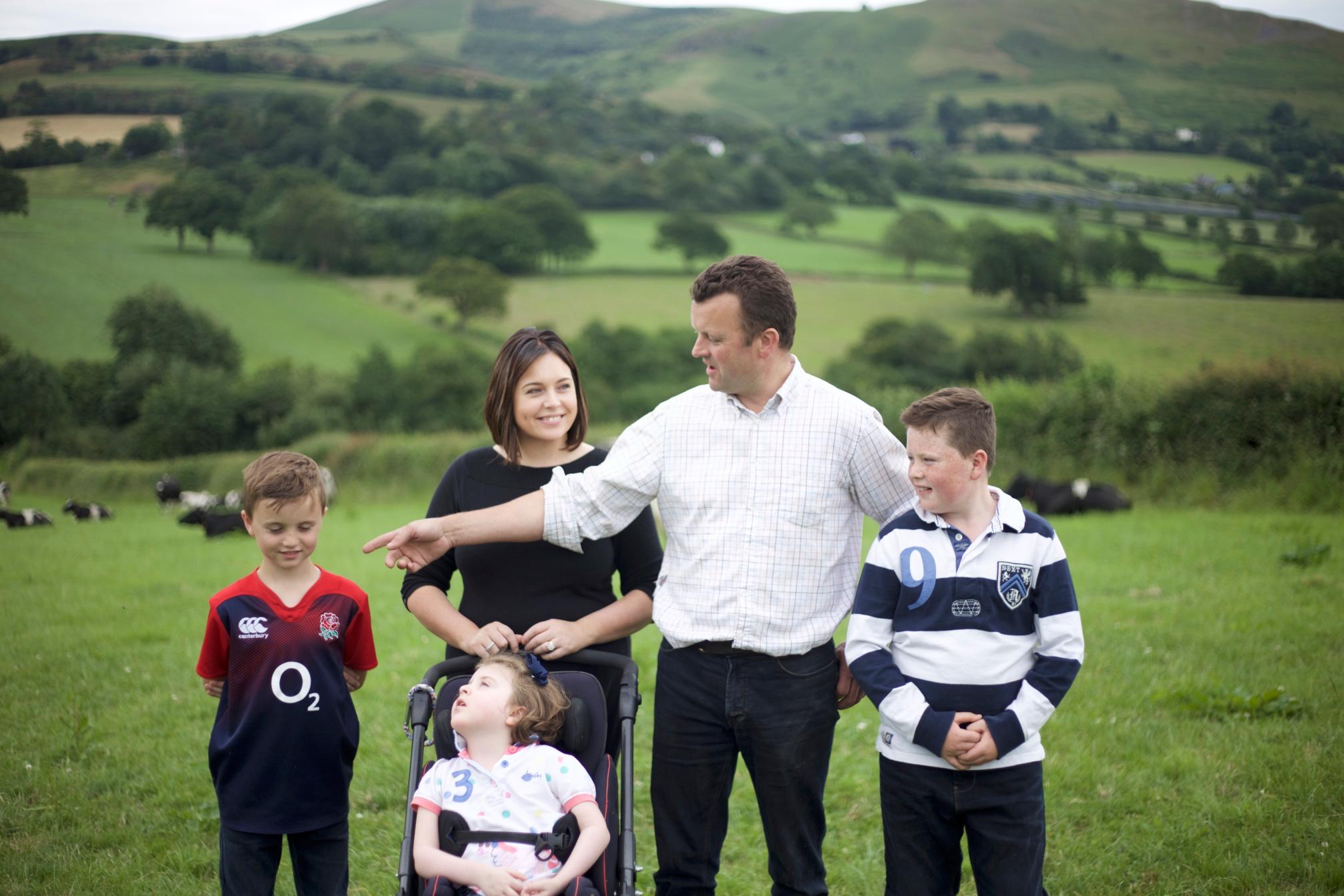
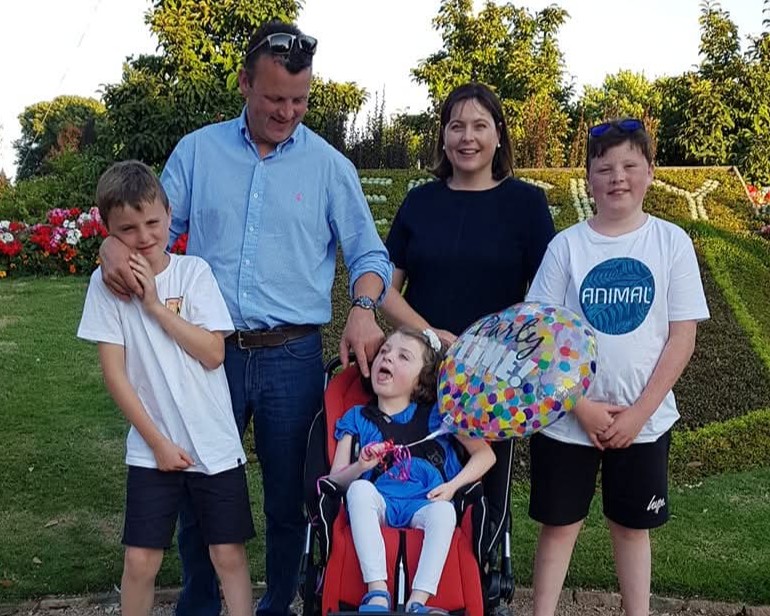
Our journey to Alder Hey
When our daughter Hannah was born 14 years ago, she seemed like any other happy, healthy baby. We had no idea that she was living with a rare neurological condition called Lissencephaly, meaning “smooth brain”.
At six months old, Hannah began experiencing a rare form of epilepsy known as Infantile Spasms. After extensive investigations, doctors identified Lissencephaly as the cause. It was then that our lives changed forever.
We learned Hannah would have significant developmental challenges. She would never walk or talk independently and would require lifelong support. She also developed drug-resistant epilepsy, which brought many additional complications throughout her life.
Despite this, Hannah’s early years were incredibly happy. She loved playing with balloons and would spend hours laughing and giggling. She enjoyed her food, made attempts to vocalise and brought joy to everyone around her.
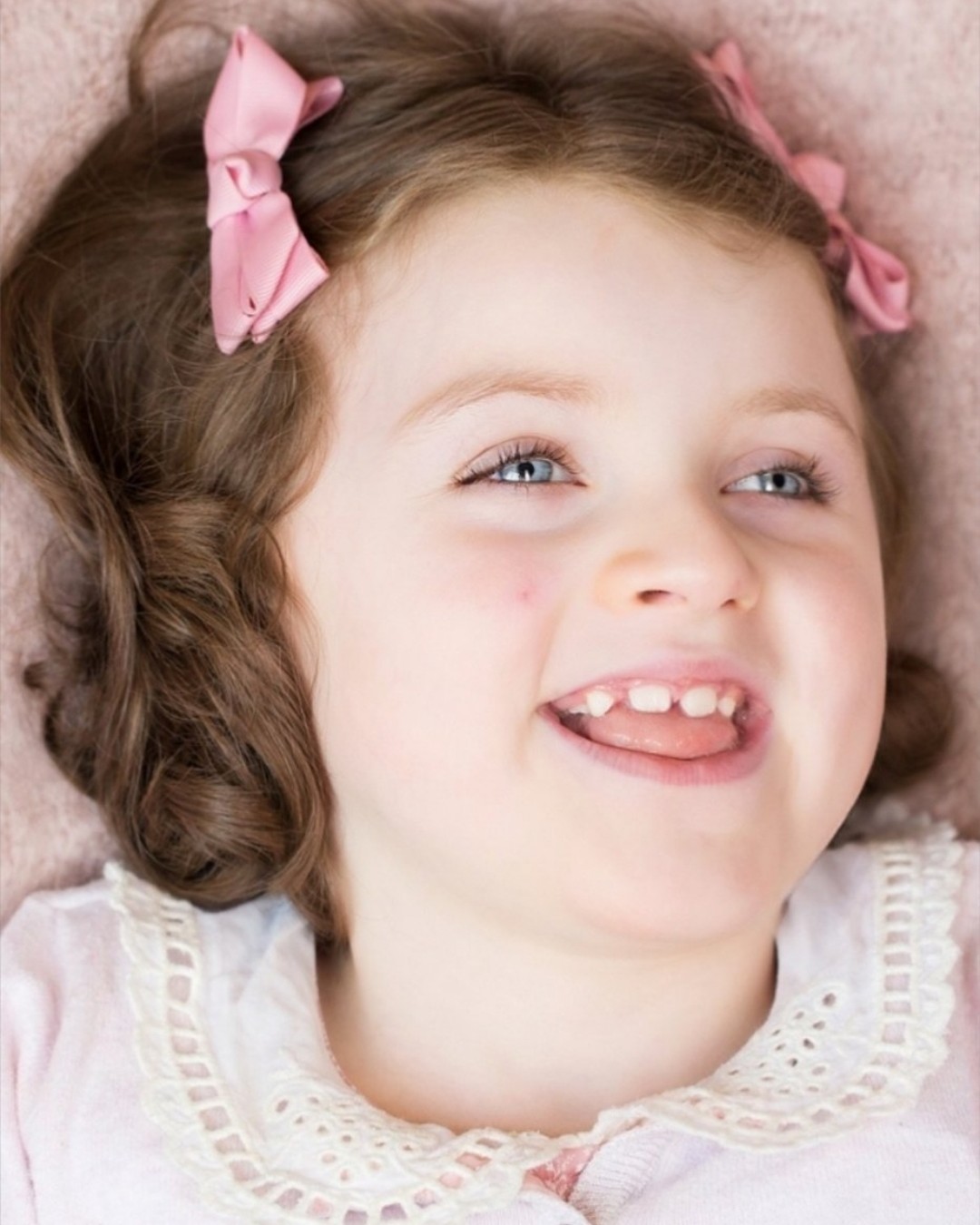
As Hannah grew older, the effects of her epilepsy gradually took away many of these abilities. The physical impact of her condition also became more pronounced. Because Hannah was unable to bear weight, she developed neuromuscular scoliosis, a severe curvature of the spine that began affecting her breathing, swallowing and overall health.
The operation needed to correct this, a posterior spinal fusion, is a major procedure lasting more than eight hours under general anaesthetic. For a child with Hannah’s complex needs, it carried significant risks. Together with her clinical team, we delayed surgery for as long as possible, but by the age of 14 the benefits clearly outweighed the risks.
In September last year, Hannah underwent surgery at Alder Hey Children’s Hospital, bringing us to Ronald McDonald House for the first time.
Being close when Hannah needed us most
We stayed at Ronald McDonald House Alder Hey for two weeks while Hannah underwent surgery and recovery.
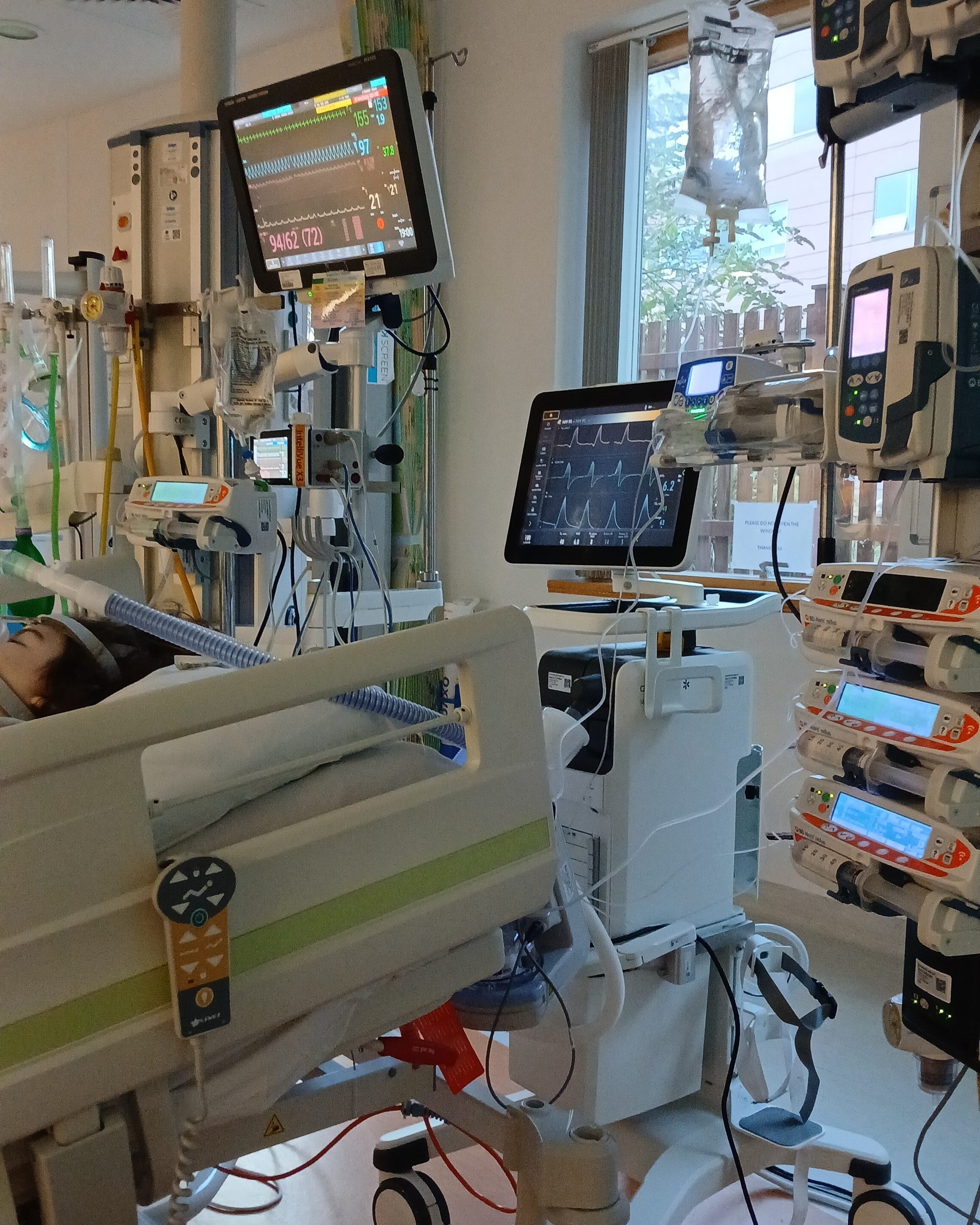
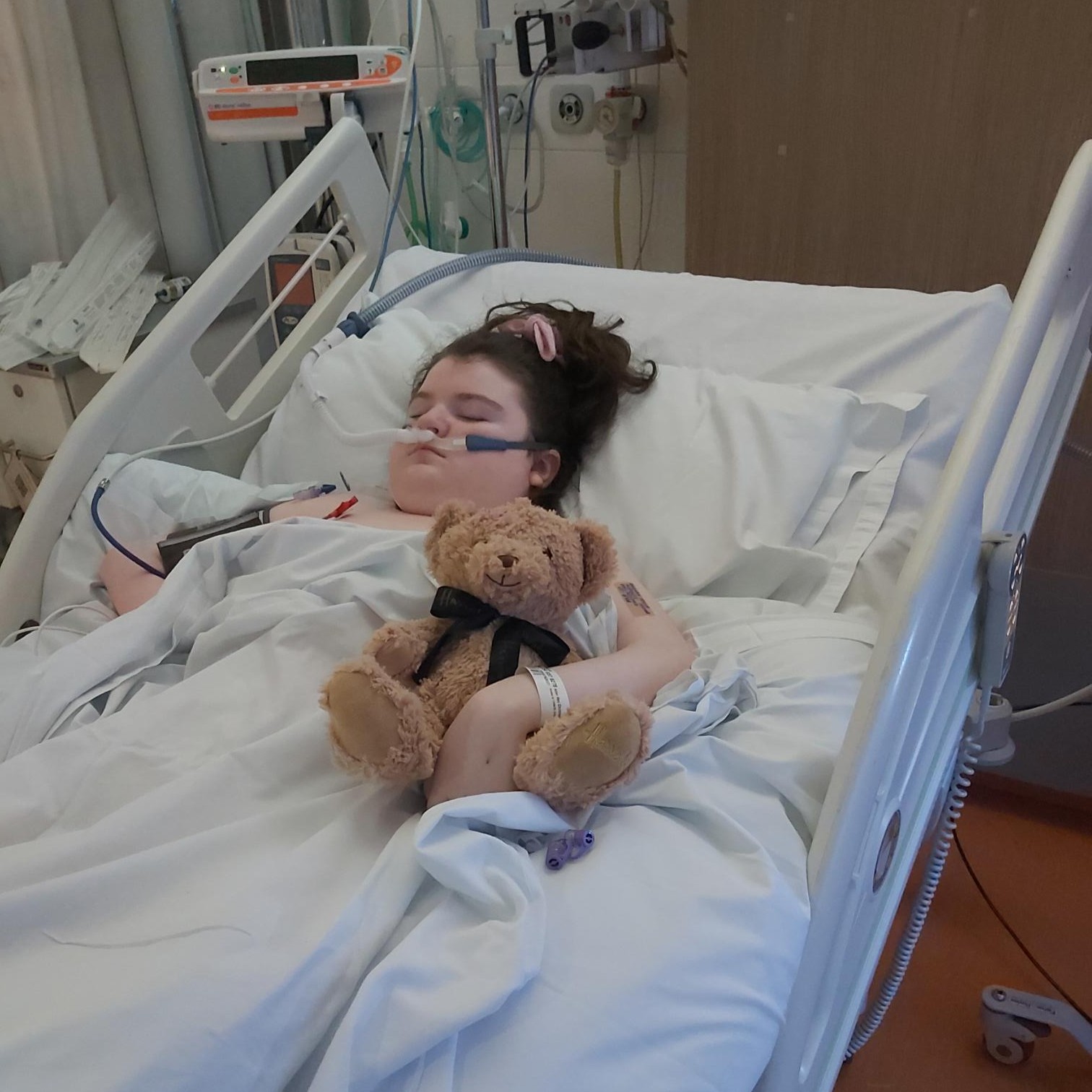
Although the operation initially went well, Hannah’s condition deteriorated afterwards and she had to be placed back on a ventilator and transferred to intensive care. It was an incredibly worrying time.
We spent most of our waking hours by Hannah’s bedside, so having somewhere nearby where we could get a few hours of sleep was invaluable. Being able to walk back to the House, rest and return to the hospital without leaving the site gave us enormous peace of mind.
The House couldn’t have felt more different from the intensive care unit. ICU is full of noise, activity and the constant beeping of monitors, whereas the House felt calm and peaceful. As Hannah’s condition improved, we gradually spent a little more time there, allowing us to rest and recharge.
One of the biggest benefits for us was having access to the kitchen and shared facilities. When your child is in intensive care, mealtimes don’t really exist. For the first few days, I survived mostly on vending machine food whenever I stepped away from the ward and quickly started to feel exhausted.
As Hannah improved, Caroline and I were able to do some food shopping and prepare proper meals. Having those home comforts made a huge difference. By the end of our stay, we both commented that, despite the circumstances, the House had started to feel like home.
A few words for other families
Our stay lasted just two weeks, which in reality is quite short compared with some families who spend months at a Ronald McDonald House.
The main advice we would give is to accept the support that’s available and take opportunities to rest whenever you can. When you’re worried about your child, it can feel impossible to step away, but even a short break can make a huge difference.
Things always seem a little more manageable after some sleep and a chance to recharge.
Life after surgery
Looking back now, it all feels like a long time ago.
Most importantly, Hannah’s surgery has been a tremendous success. The benefits have gone far beyond what we expected. Her overall health has improved significantly, she no longer needs oxygen overnight and, touch wood, she hasn’t had any unplanned hospital admissions since the operation.
Before surgery, Hannah would typically be admitted to hospital four or five times a year.
Seeing Hannah healthier, more comfortable and enjoying a better quality of life has made the journey worthwhile. We’re incredibly grateful for the care she received and for having Ronald McDonald House Alder Hey there to support us through one of the scariest moments of our lives.