
When being close mattered most
Hospital has always been part of our life.
Our son Oliver was born with congenital heart disease, Hypoplastic Left Heart Syndrome, and he also has cerebral palsy. Since birth, he has undergone five open heart surgeries. By the age of five, hospital stays, long nights and recovery periods were something we had learned to live with.
For Oliver’s first four heart operations, we lived very close to Alder Hey Children’s Hospital. We knew about Ronald McDonald House Alder Hey and we knew families who had stayed there, but we never needed it ourselves.
That changed this year.
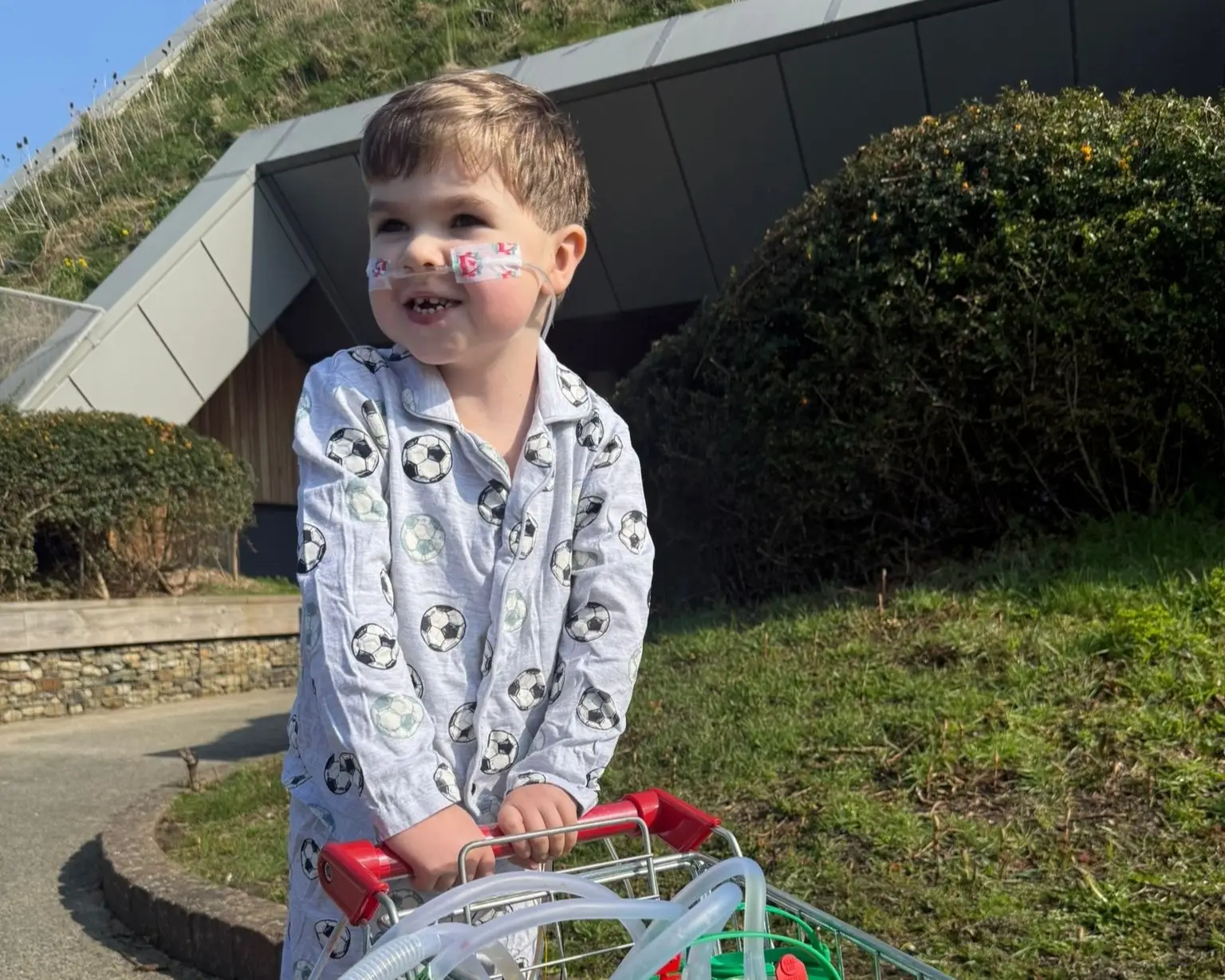
We’d recently moved house so Oliver could start school, which meant we were now much further away from the hospital. When Oliver was admitted for his fifth open heart surgery on 9 March, staying close wasn’t just helpful, it was essential.
We’d heard such good things, but nothing prepared us for how incredible it really was. It was honestly a lifesaver, not just for us, but for our wider family too. Oliver’s grandma was extremely worried about how we were all going to cope, and knowing we could stay so close to him reassured her hugely.
Calm, comfort and closeness
We checked in the night before Oliver’s surgery so we could all be nearby. His dad stayed close, and I remained on the ward with Oliver.
From the moment we arrived, the welcome was warm and genuine. The staff were lovely. And the room, I honestly couldn’t believe it.
I’ve worked in hospitality for around 15 years, so I notice the details. The room and facilities were spotless. Everything was immaculately clean and well maintained. Even the blackout curtains made such a difference when you’re trying to sleep during the day after long, exhausting nights in ICU.
Being just a short walk across the park from the hospital meant everything. Especially on the nights Oliver was in intensive care, and I couldn’t stay with him. When your child is critically ill, you don’t have the headspace to think about logistics. Being able to look out of the window and know we were only a walk away took a huge amount of pressure off. In total, we stayed for 24 nights.
Practical support that makes life feel normal
What surprised me most was how much the everyday practical things mattered.
It’s the small stuff. Having clean clothes. Feeling presentable. Being able, as a mum, to do the laundry and make things feel normal.
We quickly fell into a routine that felt familiar and grounding. We did washing. We went food shopping. We watched a film. If you needed something, you phoned down to reception, and the staff just sorted it. That sense of routine helped us cope more than I realised it would.
The kitchen became a really important space for us. We didn’t cook much ourselves. Friends were batch cooking and dropping meals off at reception, and the staff would put them in the fridge if we weren’t there. Coming back late, heating something up and sitting down to eat, it sounds simple, but it meant everything.
That space was also where connections formed. On the ward, you don’t really talk to other families. But in the House, that’s when you share, support each other and feel less alone. Otherwise, it can be incredibly isolating. We’re still in touch with families we met during our stay. Those bonds weren’t formed on the ward, but in shared kitchens, corridors and quiet moments.
One night, arriving back quite late, I walked into the kitchen around 10pm and saw someone cooking a full‑on meal. It honestly broke my heart, in the best possible way. We’d never seen that side of it before. Families who were so far from home, having to completely adapt their lives. We’d been in hospital before, but because we lived closer, we hadn’t had to rely on this kind of support. Seeing the resilience of other families was incredible and really opened my eyes. We are so lucky that facilities like this exist, so families can live something resembling a normal life during the hardest time they will ever face.
Thoughtful moments that lifted our spirits
Throughout our stay, it was the thoughtful touches that lifted our spirits. We were there on Mother’s Day. There were signs up in the lifts and corridors, and I was given a lovely goody bag with cupcakes. Every day there were posters saying things like “have a nice day” or little reminders to smile. It genuinely felt like someone was thinking about us.
St Patrick’s Day was the same. It wasn’t anything extravagant, but it made you smile as you walked down the corridor. For a moment, you forgot the worry. Those small distractions really matter.
Keeping our family together
Staying at Ronald McDonald House Alder Hey meant our family could spend more time together during an incredibly difficult period.
Oliver’s grandad is a builder. He could come straight from work, shower at the House and then go and see Oliver. If he’d had to go home first, he would have missed precious visiting time.
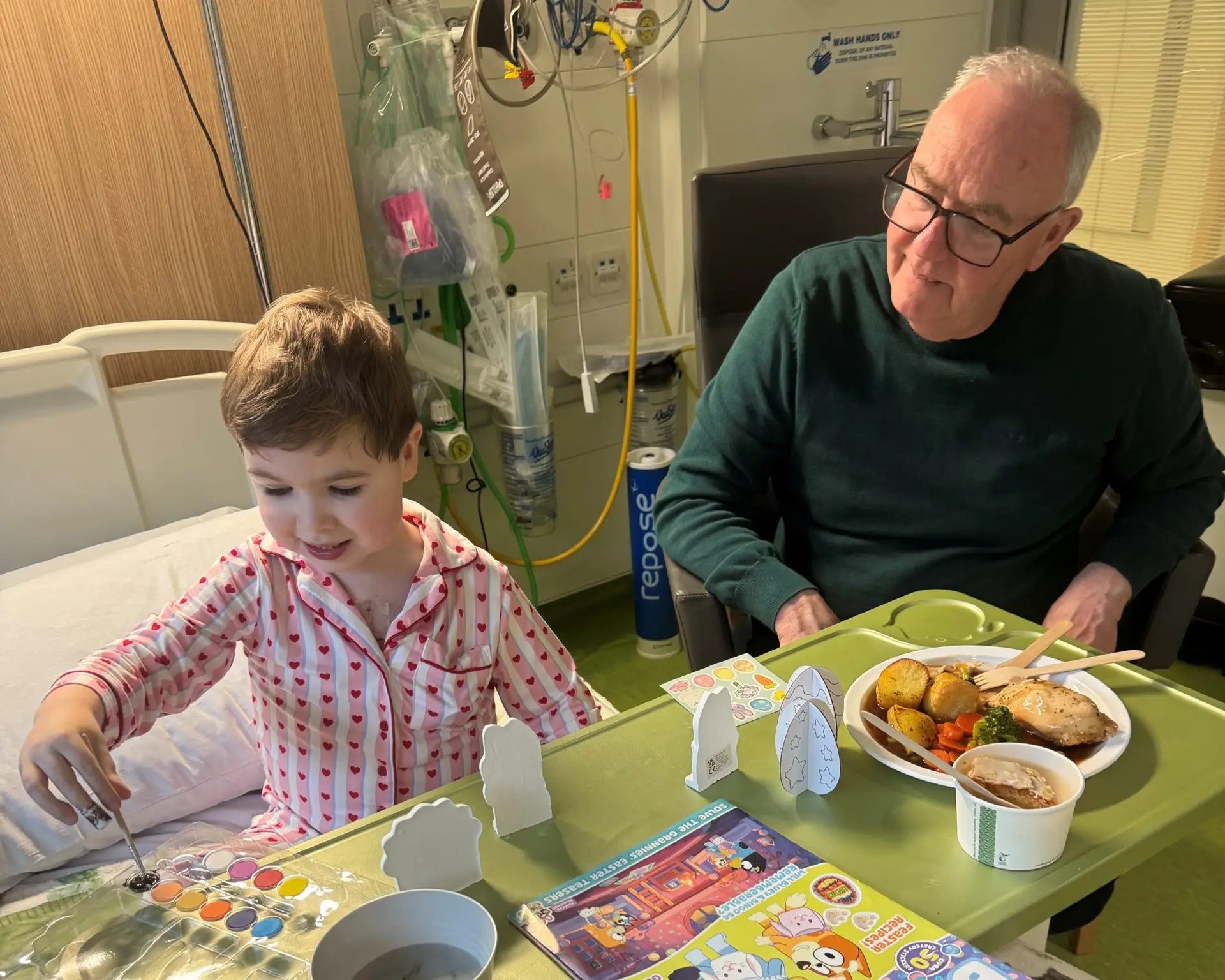
My mum was able to visit and stay, and my sister stayed one night too. Hospital life can be incredibly lonely as a parent. Having my sister there, watching TV, doing face masks, gave me some normality when I really needed it.
I’ve learned the hard way how run down I can get during long hospital stays. This time, I made sure I had support in place. I could step away from the ward, rest and reset, but still be close if I was needed. I refused to go home. I wanted to stay near my son, and the House made that possible.
Looking forward
Oliver is now back at school. He started with a few short days and is now doing full days. He still gets tired, but his progress has been amazing. Most importantly, there are no more open-heart surgeries planned until he is a grown up.
This is a life we’ve had to adapt to, but charities like Ronald McDonald House UK make it easier to manage emotionally and practically. We truly would have been lost without the team at Ronald McDonald House Alder Hey.